I was the kid who didn't get it.
I grew up in Coimbatore. School was fine until it wasn't. Maths in particular - I would listen, copy notes, nod when the teacher asked if it was clear, and then sit at home in the evening with a textbook open and a blank page next to it, knowing I had no idea what I had just been taught.
For a long time I told myself I just wasn't a bright student. Not because I couldn't learn - I later studied classical composition and film scoring at LASALLE College of the Arts in Singapore, on a subject as abstract as anything in school - but because the way it was taught to me only worked for some kids in the room. Not for me. A lot of parents reading this had the same experience.
Singapore changed how I thought about learning. The classroom there was interactive. We didn't watch and take notes. We built things, broke things, predicted what would happen, defended our reasoning. Music theory clicked. Counterpoint clicked. Things I would have failed at if someone had only handed me a book.
"The problem was never that I couldn't learn. The problem was that there was only one path to the same idea, and that path was not built for me."
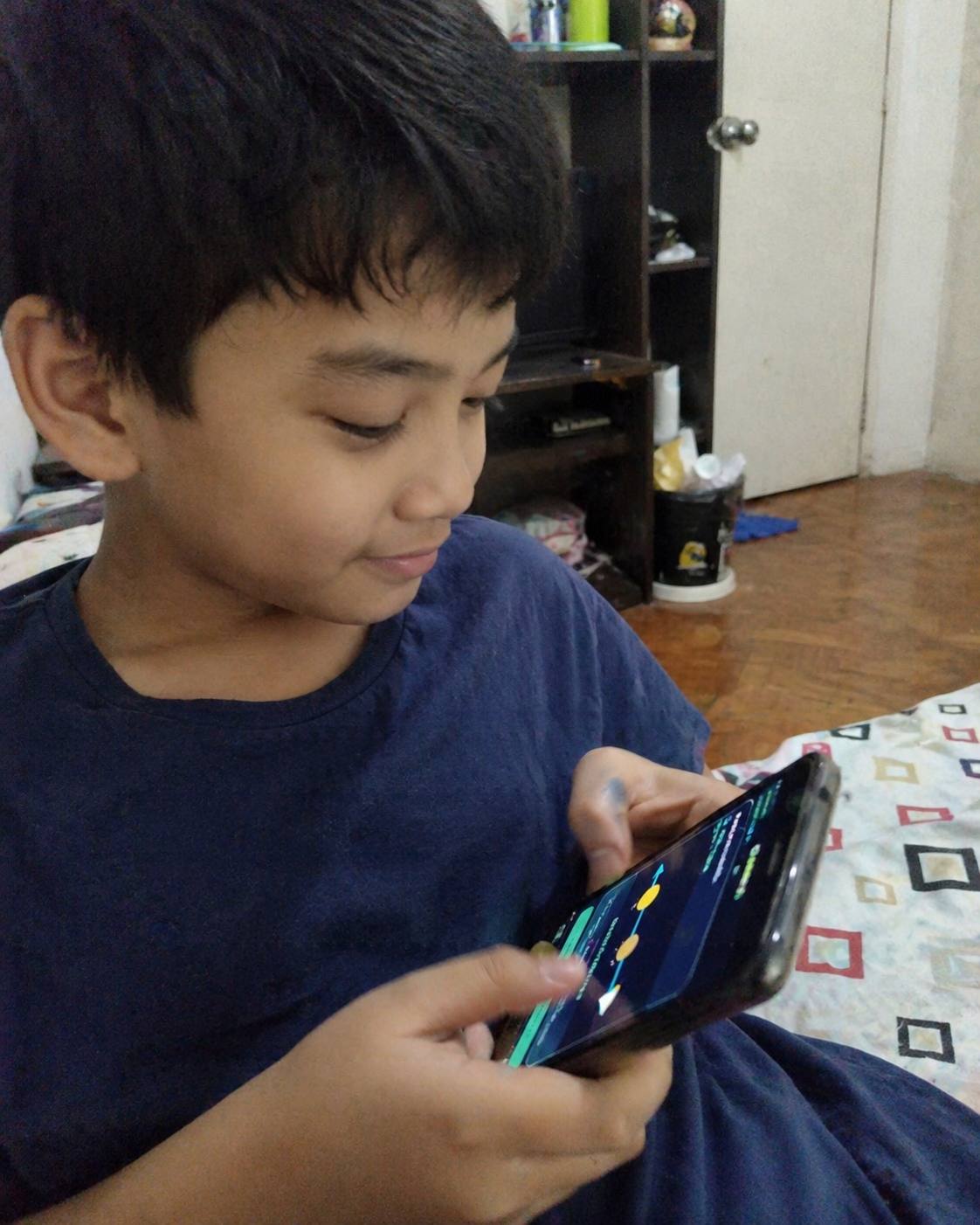
Years later, I am homeschooling my own son - he is around the age of the children GuruMode is built for. Watching him sit with a Maths concept that didn't click the first time, I had the same feeling I had as a child. So I started doing what I do with music: breaking the idea into smaller pieces, finding a different visual, asking him to predict before I told him the answer. He started getting it. Not because he is special. Because the explanation finally fit.
Around the same time I started reading the research - Mazur on peer instruction, Khan on mastery sequencing, the cognitive science on retrieval practice and worked examples and spaced repetition. None of it was a secret. All of it had been studied for decades. Almost none of it had reached the average Indian classroom or learning app.
That gap is what GuruMode exists to close. Not by replacing teachers - by building the kind of patient, adaptive, one-on-one learning environment that most children have never had access to. The system teaches a concept, watches how the child responds, and tries another path when the first one doesn't work. The way a good private tutor would. The way I wish someone had taught me.
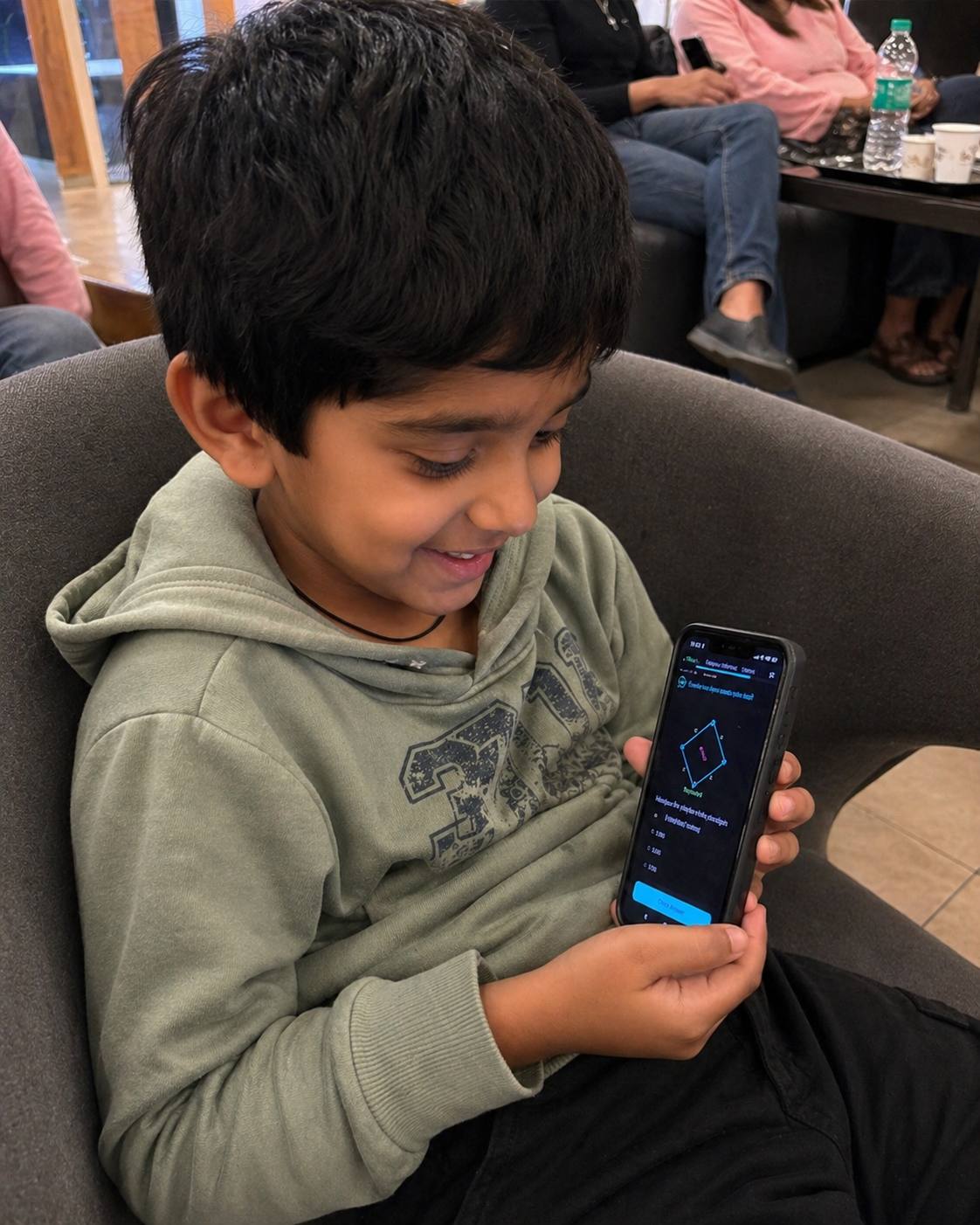
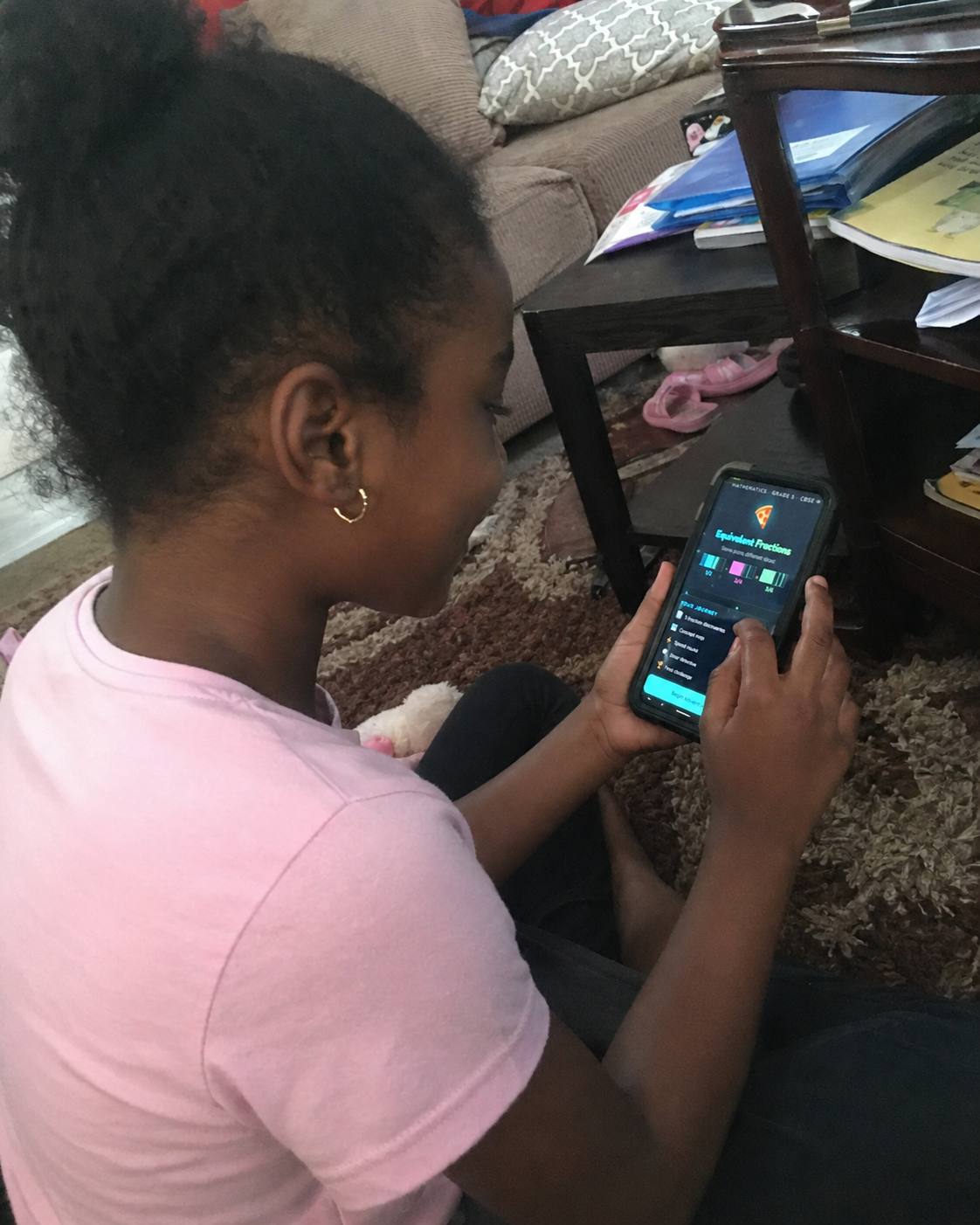
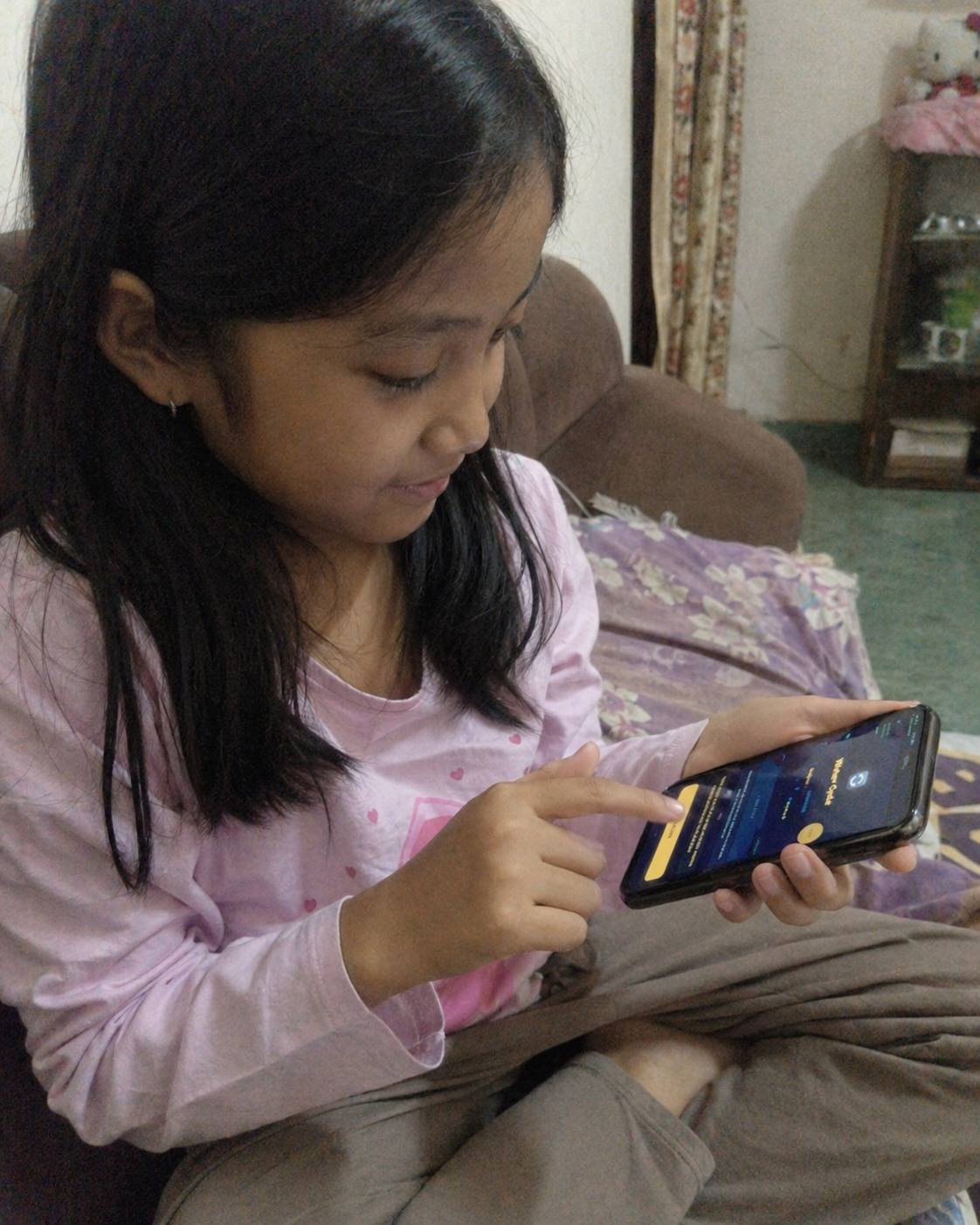
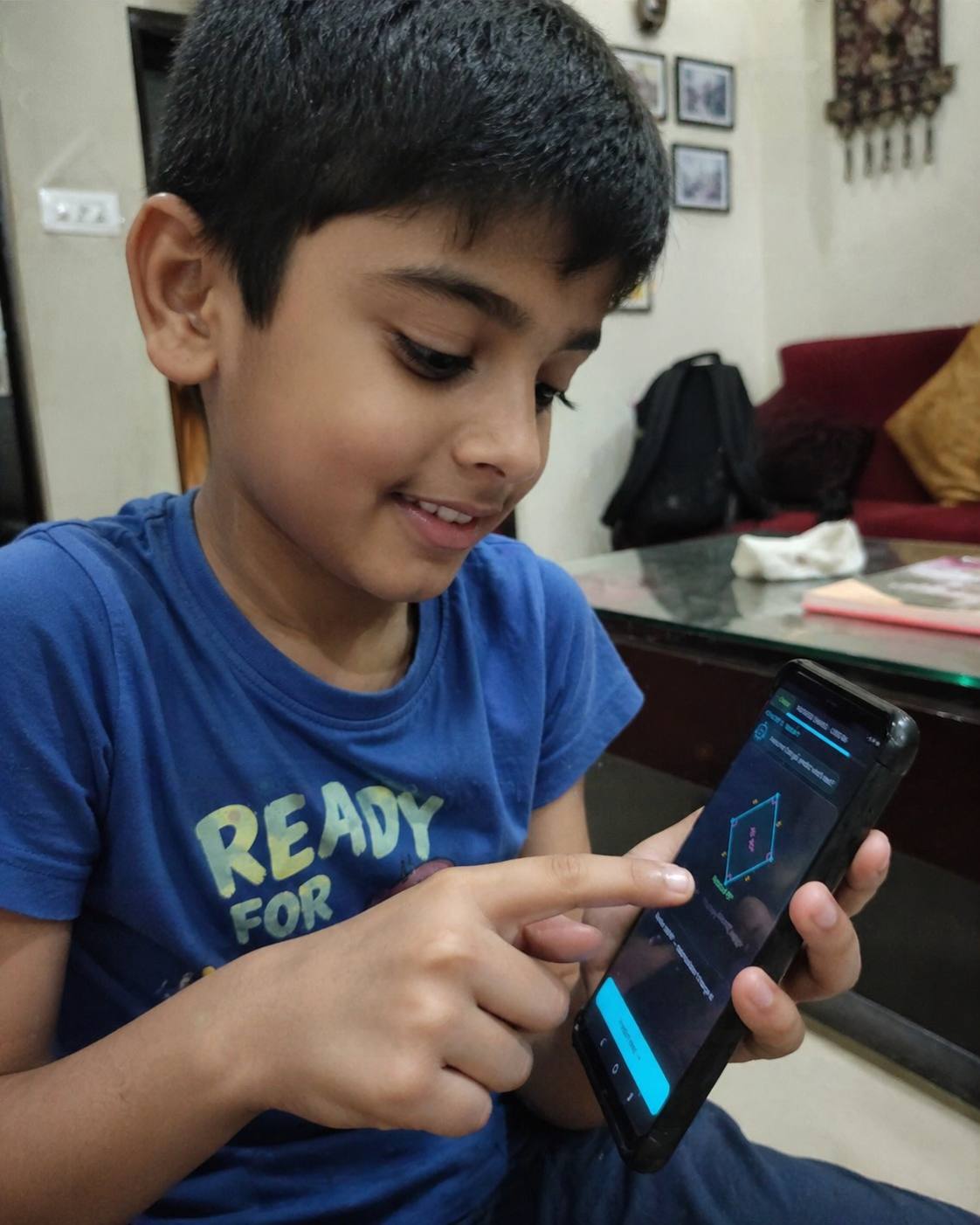
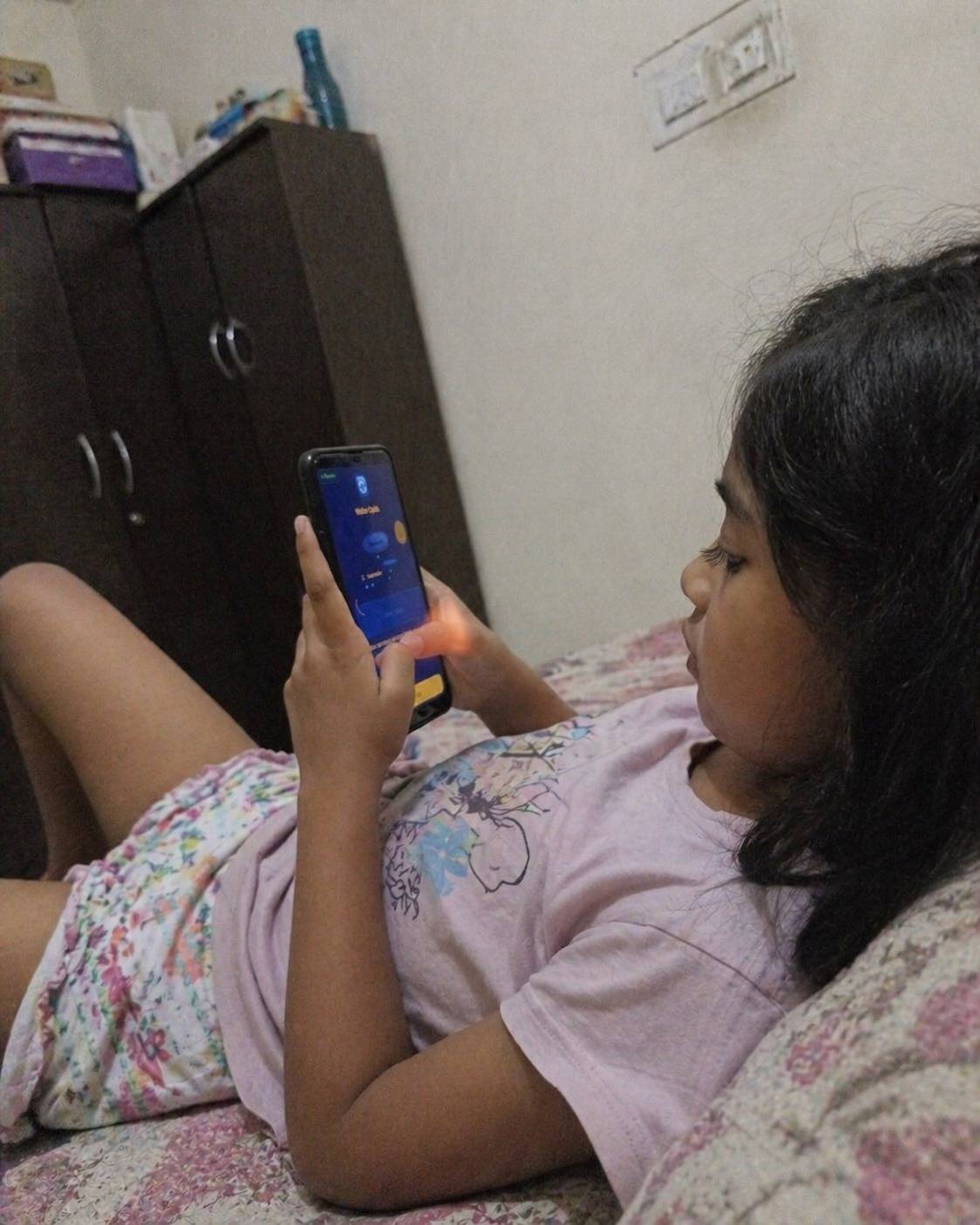
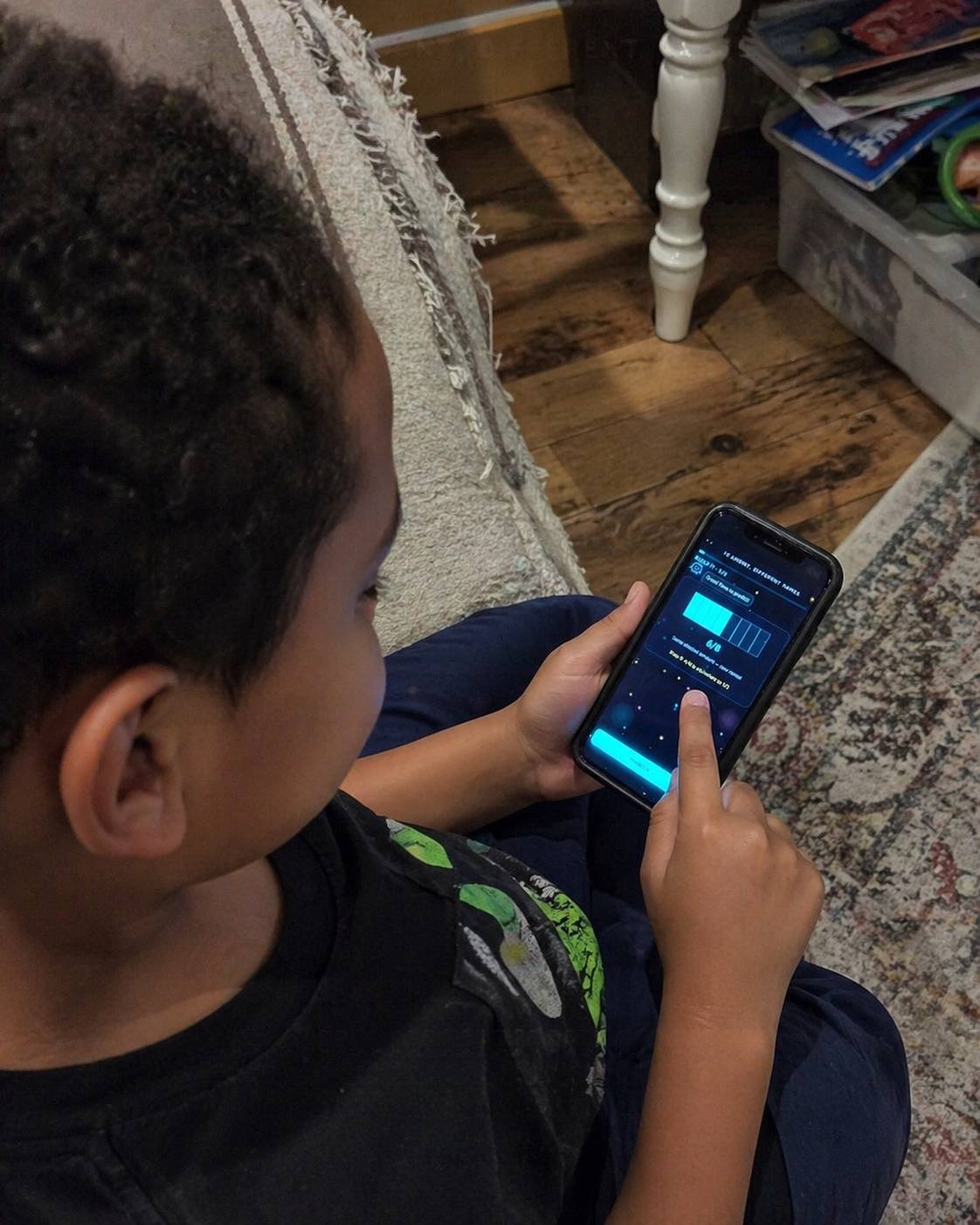
We tried early versions on my son, then on a small group of parents and their kids. The pattern showed up again and again - children who had been told they were "weak in Maths" were not weak at all. They had been waiting for a different way in. When the explanation finally fit, the same children who had been guessing started reasoning. That was the moment we knew we were building the right thing.
We started with CBSE Maths because that is where the gap hurts the most. Science is next. We are early, and we know it. If you are a parent reading this, what we want from you is not money first - it is honest feedback. Try it with your child. Tell us what worked. Tell us what didn't. We are building this in public, and your child is the reason it has to be right.
- Ghibran